
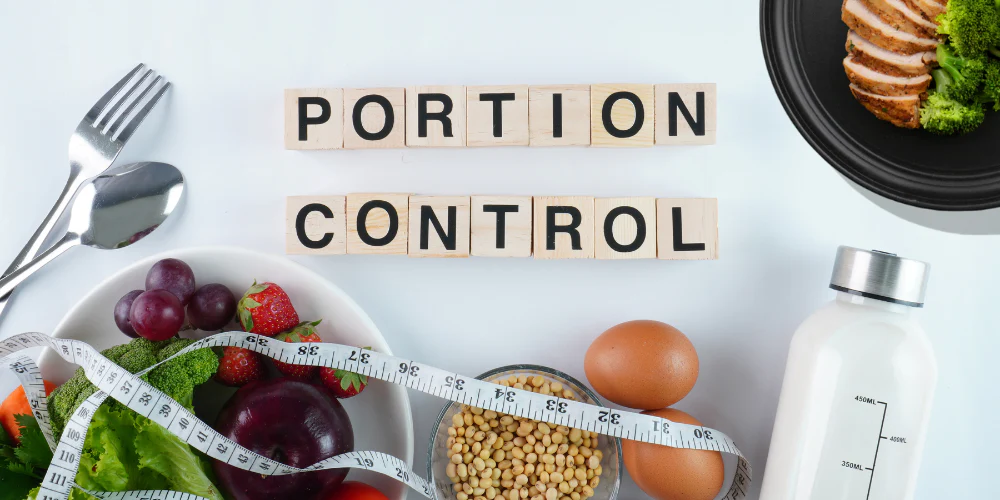
In this topic, we cover the following:
Introduction | Understanding Portion Control | The Science Behind Portion Control and Weight Loss |
Why portion control helps a healthy lifestyle|importance of balance diet chart|creating balance and healthy lifestyle|
balanced diet for women|lifestyle change for men|practical tips for portion control|common mistakes to avoid|long-term benefits of portion control|conclusios|FAQs
The Vital Science of Portion Control and Weight Loss:
In today’s fast-paced world, weight management has become one of the most common health concerns. Many people try strict diets, expensive fitness programs, or trendy eating plans in their search for a healthier body. However, one scientifically proven strategy continues to stand out: portion control and weight loss. Instead of focusing only on what you eat, portion control emphasizes how much you eat, helping create a sustainable approach to weight management.
Introduction:
The concept of portion control and weight loss is simple yet highly effective. By consuming appropriate amounts of food, individuals can reduce excess calorie intake while still enjoying a variety of nutritious meals. Unlike restrictive diets that often fail over time, portion control promotes long-term habits that support overall wellness.
When combined with a healthy lifestyle, proper nutrition, and regular physical activity, portion control becomes a powerful tool for achieving lasting results. Understanding the science behind this approach can help people make informed decisions and maintain a healthier body for years to come.
Understanding Portion Control :
The Science Behind Portion Control and Weight Loss:
Scientific research has demonstrated that larger food portions encourage greater food intake, regardless of actual hunger levels. This phenomenon is known as the “portion size effect.”
The body relies on several hormones to regulate appetite:
- Ghrelin stimulates hunger.
- Leptin signals fullness.
- Insulin helps regulate blood sugar and appetite.
- When meals are oversized, these signals can become less effective. Practicing portion control and weight loss strategies helps individuals become more aware of their hunger and fullness cues.
- Eating slowly is another important factor. The brain requires approximately twenty minutes to recognize fullness. Smaller portions combined with mindful eating allow these natural mechanisms to work properly.
- As a result, portion control and weight loss often produce sustainable outcomes because they work with the body’s biology rather than against it.
Why Portion Control Supports a Healthy Lifestyle:
A healthy lifestyle is built on habits that promote physical, emotional, and mental well-being. Portion control contributes to these goals by encouraging balanced eating patterns and reducing the risk of overeating.
People who follow portion control practices often experience:
- Better digestion
- Improved energy levels
- Healthier blood sugar management
- Reduced risk of obesity
- Improved heart health
The Importance of a Balanced Diet Chart:
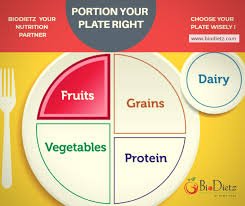
A practical way to implement portion control is by following a balanced diet chart. This approach ensures that meals contain the right combination of nutrients while preventing overeating.
An effective balanced diet chart typically includes:
Vegetables and Fruits:
“]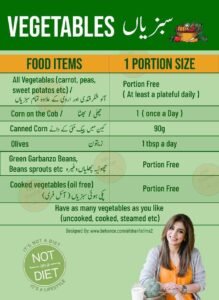
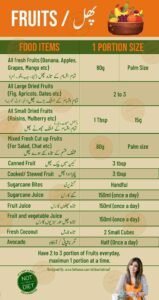
Half of the plate should consist of vegetables and fruits. These foods provide vitamins, minerals, fiber, and antioxidants while remaining relatively low in calories.
Lean Proteins
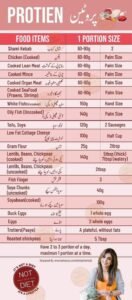
Protein supports muscle maintenance and promotes satiety.
Examples include:
- Chicken
- Fish
- Eggs
- Lentils
- Beans
- Tofu
Whole Grains
[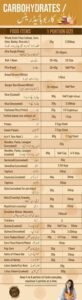 Whole grains provide sustained energy and support digestive health.
Examples include:
- Brown rice
- Oats
- Quinoa
- Whole wheat bread
Healthy Fats
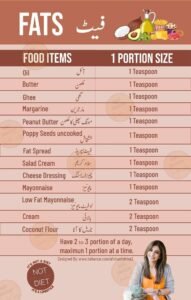
Healthy fats support hormone production and brain function.
Sources include:
- Avocados
- Nuts
- Seeds
- Olive oil
Following a balanced diet chart makes portion control and weight loss easier because meals become nutritionally satisfying and less likely to trigger cravings.
Many nutrition experts recommend using a balanced diet chart as a visual guide to support healthy eating habits.
Creating a Healthy and Balanced Lifestyle:
- Weight loss is most successful when it becomes part of a broader commitment to wellness. A healthy and balanced lifestyle includes proper nutrition, physical activity, stress management, and quality sleep.
- Exercise plays an important role by increasing calorie expenditure and improving overall fitness. Regular movement helps preserve muscle mass during weight loss and supports cardiovascular health.
- Stress management is equally important. Chronic stress can increase emotional eating and make weight management more challenging. Activities such as meditation, walking, and deep breathing can help maintain a healthy and balanced lifestyle.
- Adequate sleep is another key factor. Poor sleep can disrupt hunger hormones and increase cravings for unhealthy foods.
- Individuals who embrace a healthy and balanced lifestyle often find it easier to maintain portion control and weight loss habits over time.
- A healthy and balanced lifestyle is not about short-term changes. It is about creating daily habits that support lifelong wellness.
Balanced Diet for Women:
Nutritional needs vary between individuals, and women often have specific dietary requirements throughout different stages of life. A well-planned, balanced diet for women supports energy levels, hormonal health, and weight management.
Iron is particularly important for many women.
Sources include:
- Spinach
- Lentils
- Lean meat
- Beans
Calcium is also essential for maintaining strong bones.
Good sources include:
- Milk
- Yogurt
- Cheese
- Fortified plant-based beverages
Protein remains a crucial component of a balanced diet for women because it supports muscle maintenance and satiety.
Combining a balanced diet for women with portion control and weight loss strategies can help improve body composition while supporting overall health.
A nutritious, balanced diet for women should focus on nutrient-dense foods rather than highly processed options.
Lifestyle Change for Men:
- Achieving lasting weight management often requires a meaningful lifestyle change for men. Many men consume larger portions than necessary, particularly when dining out or eating convenience foods.
- One effective lifestyle change for men is increasing awareness of portion sizes. Learning what a proper serving looks like can significantly reduce unnecessary calorie intake.
- Another important lifestyle change for men involves prioritizing whole foods over processed products. Foods rich in protein, fiber, and essential nutrients help support satiety and overall health.
- Regular exercise is equally important. Strength training and cardiovascular activities help maintain muscle mass while promoting fat loss.
- When combined with portion control and weight loss practices, a positive lifestyle change for men can improve physical fitness, energy levels, and long-term health outcomes.
Practical Tips for Portion Control:
Implementing portion control does not have to be complicated. The following strategies can make the process easier:
Use Smaller Plates
Smaller plates create the appearance of a fuller meal, which may help reduce food intake.
Measure Portions
Using measuring cups or a food scale can improve awareness of serving sizes.
Eat Slowly
Slower eating allows the brain to recognize fullness signals more effectively.
Avoid Distractions
Eating while watching television or scrolling on a phone often leads to mindless overeating.
Stay Hydrated
Water can increase satiety and help prevent confusion between thirst and hunger.
These techniques support portion control and weight loss while reinforcing healthy eating habits.
Common Mistakes to Avoid:
Long-Term Benefits of Portion Control:
The advantages of portion control extend far beyond the number on a scale.
Benefits include:
- Improved digestion
- Better blood sugar control
- Increased energy
- Reduced risk of chronic diseases
- Enhanced relationship with food
- Sustainable weight management
People who consistently practice portion control and weight loss techniques often find that healthy eating becomes second nature. Over time, these habits contribute to a healthy lifestyle, support a healthy and balanced lifestyle, complement a balanced diet chart, enhance a balanced diet for women, and encourage a positive lifestyle change for men.
Conclusion:
The science behind portion control and weight loss demonstrates that sustainable weight management does not require extreme dieting or food deprivation. Instead, it involves understanding appropriate serving sizes, listening to the body’s natural hunger signals, and making mindful choices.
When combined with a healthy lifestyle, a structured balanced diet chart, a commitment to a healthy and balanced lifestyle, a nutritious balanced diet for women, and a positive lifestyle change for men, portion control becomes one of the most effective tools for long-term success.
By adopting these habits consistently, individuals can achieve lasting results, improve overall well-being, and enjoy a healthier future without relying on temporary solutions
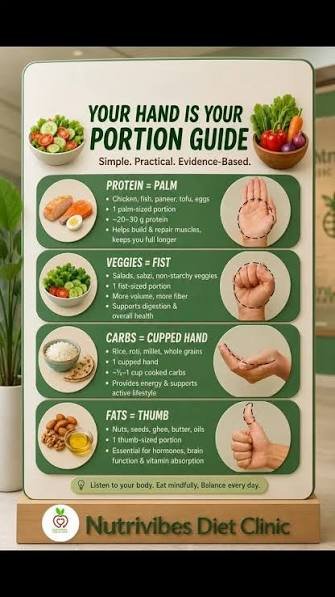
palm and portions
Your palm is the key to measuring your portion size