
Role of Pharmacist: Responsibilities, Skills, and Career Impact:
Introduction:
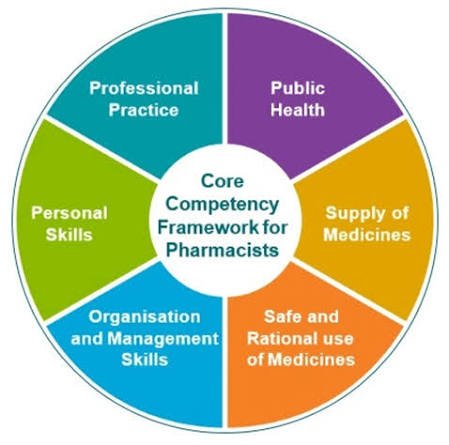
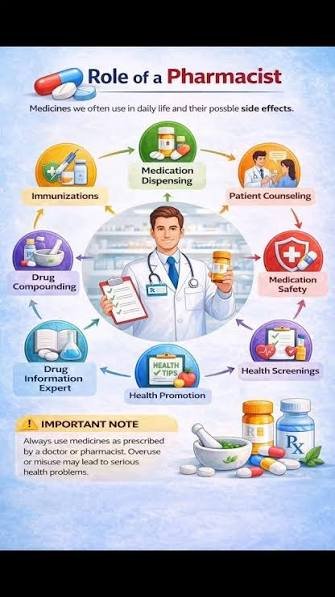
The role of pharmacist has evolved significantly over the years. Today, pharmacists are not only medication experts but also trusted healthcare professionals who contribute to patient safety, disease prevention, and better treatment outcomes. They work alongside doctors, nurses, and other healthcare providers to ensure patients receive the right medication at the right dose and understand how to use it correctly.
With advancements in healthcare, pharmacists now have diverse career opportunities in hospitals, community pharmacies, research laboratories, pharmaceutical industries, and clinical settings. Their expertise helps improve patient care while reducing medication-related risks.
What Is the Role of Pharmacist?
The role of pharmacist extends beyond dispensing medicines. Pharmacists play an active part in improving healthcare by ensuring medications are safe, effective, and appropriate for every patient.
Key Functions:
- Verify prescriptions before dispensing medications.
- Educate patients about proper medicine usage.
- Monitor drug interactions and side effects.
- Support healthcare teams with medication recommendations.
- Promote disease prevention through health awareness.
- Encourage medication adherence for better treatment outcomes.
Their professional knowledge bridges the gap between physicians and patients, making healthcare safer and more effective.
Responsibilities of a Pharmacist
Understanding the responsibilities of pharmacist helps explain why pharmacists are considered essential healthcare professionals.
Major Responsibilities:
- Review prescriptions for accuracy.
- Dispense medications safely.
- Counsel patients about dosage and precautions.
- Monitor adverse drug reactions.
- Maintain patient medication records.
- Recommend over-the-counter medications when appropriate.
- Educate patients on lifestyle modifications.
- Ensure compliance with pharmacy regulations.
- Promote safe medication practices.
The responsibilities of pharmacist continue to expand as healthcare becomes more patient-centered and technology-driven.
Essential Skills Every Pharmacist Needs:
Success in pharmacy depends on a combination of technical knowledge and interpersonal abilities.
Professional Skills:
- Strong communication skills
- Excellent attention to detail
- Critical thinking
- Problem-solving ability
- Time management
- Leadership qualities
- Ethical decision-making
- Scientific knowledge
- Digital literacy
- Patient counseling skills
These skills help pharmacists provide safe and effective pharmaceutical care.
Educational Requirements:
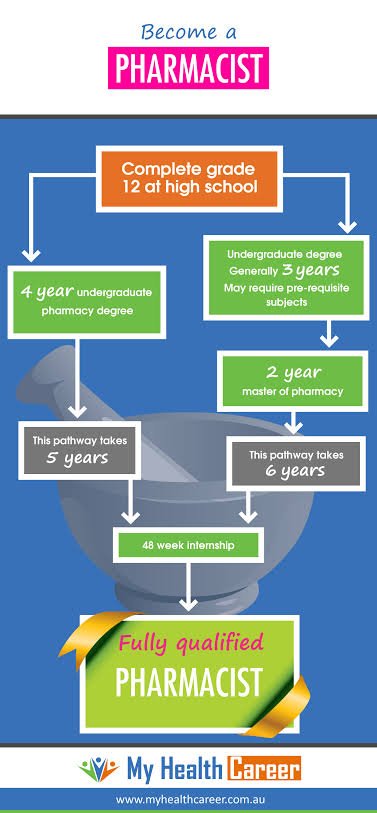
Becoming a pharmacist requires a strong academic foundation.
Degree of Pharmacist:
A degree of pharmacist prepares students with knowledge of medicines, human anatomy, pharmacology, chemistry, and patient care.
Typical education includes:
- Pharmacy undergraduate program
- Practical laboratory training
- Clinical internships
- Licensing examinations
- Continuing professional education
Completing a degree of pharmacist equips graduates with the qualifications needed
Types of Pharmacists
The pharmacy profession offers several rewarding career paths.
Community Pharmacist:

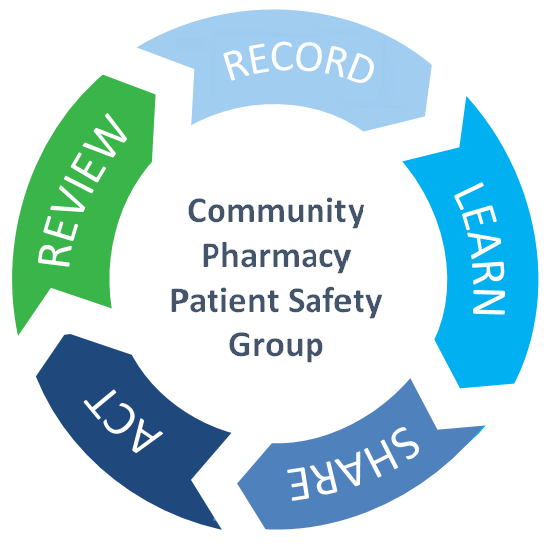
A community pharmacist works in retail pharmacies and serves as the first point of contact for many patients.
Main Responsibilities
- Dispense prescription medications.
- Provide medication counseling.
- Recommend over-the-counter treatments.
- Conduct health screenings.
- Administer vaccinations where permitted.
- Promote preventive healthcare.
A community pharmacist helps patients manage common illnesses while encouraging healthy lifestyles.
Hospital Pharmacist:

A hospital pharmacist works within healthcare facilities and collaborates closely with physicians and nurses.
Primary Duties:
- Review medication orders.
- Prepare specialized medications.
- Monitor inpatient drug therapy.
- Prevent medication errors.
- Participate in clinical rounds.
- Improve medication safety protocols.
A hospital pharmacist ensures hospitalized patients receive effective and safe pharmaceutical care.
Clinical Pharmacist:
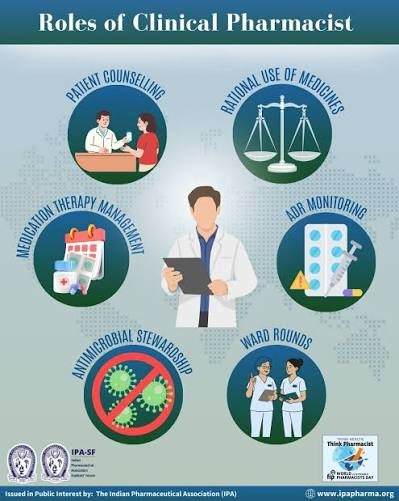
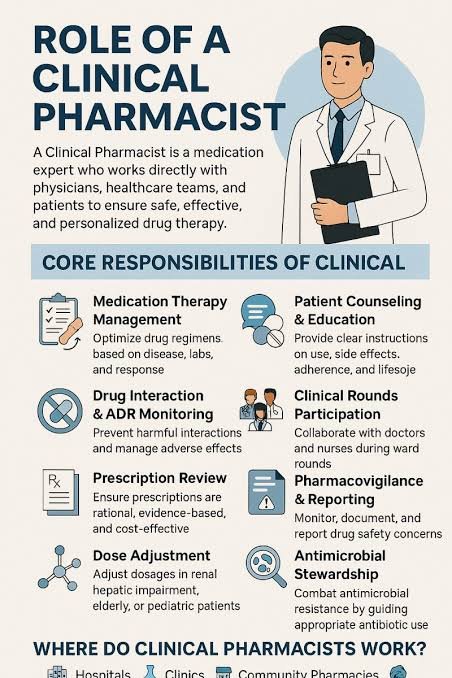
A clinical pharmacist focuses on direct patient care and medication optimization
Key Responsibilities:
- Review patient medication history.
- Recommend personalized treatment plans.
- Monitor drug effectiveness.
- Prevent adverse drug reactions.
- Collaborate with multidisciplinary healthcare teams.
- Support chronic disease management.
The expertise of a clinical pharmacist improves patient outcomes and enhances medication safety.
Industrial Pharmacist:
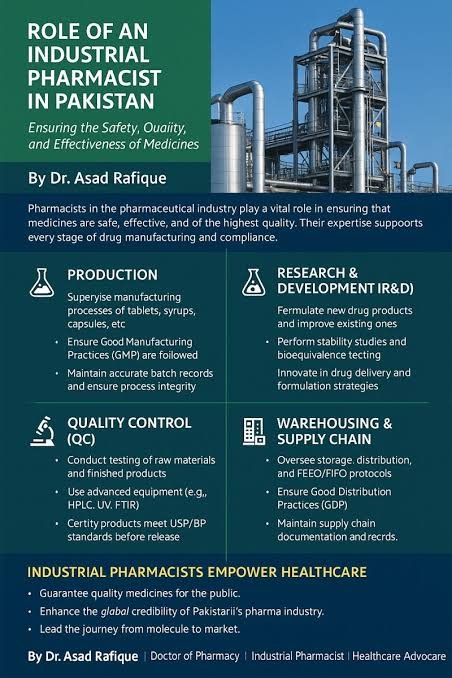
An industrial pharmacist plays an important role in pharmaceutical manufacturing and research.

Areas of Work:
- Drug formulation
- Quality assurance
- Quality control
- Pharmaceutical production
- Regulatory compliance
- Product development
- Clinical research support
An industrial pharmacist ensures medicines meet strict safety and quality standards
Why Pharmacists Matter in Modern Healthcare:
The role of pharmacist has become increasingly important because pharmacists help healthcare systems deliver safer and more effective treatment.
Their Contributions Include:
- Improving medication adherence
- Preventing prescription errors
- Educating patients
- Supporting vaccination programs
- Reducing healthcare costs
- Promoting rational medicine use
- Improving treatment success
- Enhancing patient satisfaction
These contributions make pharmacists valuable members of every healthcare team.
Career Impact of Pharmacists:
The role of a pharmacist has expanded from dispensing medicines to becoming a vital part of patient-centered healthcare. Pharmacists now contribute to better treatment outcomes, public health initiatives, and medication safety across different healthcare settings.
Career Impact Highlights:
- Improve patient safety by reducing medication errors.
- Help patients understand proper medication use.
- Support doctors with evidence-based medication recommendations.
- Increase medication adherence among patients.
- Promote preventive healthcare through vaccinations and health education.
- Reduce hospital readmissions by ensuring appropriate medication management.
- Contribute to public awareness about disease prevention.
- Improve the overall quality of healthcare services.
As healthcare continues to evolve, the role of pharmacist will become even more important in delivering personalized and efficient patient care.
Career Opportunities for Pharmacists:
Pharmacy graduates have a wide range of career options in both the public and private sectors.
Popular Career Paths:
- Community pharmacy
- Hospital pharmacy
- Clinical pharmacy
- Pharmaceutical manufacturing
- Medical writing
- Pharmacovigilance
- Drug regulatory affairs
- Clinical research
- Academia and teaching
- Government healthcare organizations
- Healthcare consulting
- Pharmaceutical sales and marketing
Each career offers unique opportunities for professional growth and specialization.
Growing Demand for Specialized Pharmacists:
Healthcare systems increasingly rely on pharmacists with specialized expertise.
Community Pharmacist:
A community pharmacist serves as an accessible healthcare professional within local communities.
Their additional contributions include:
- Providing health awareness campaigns.
- Assisting patients with chronic disease management.
- Advising on non-prescription medicines.
- Encouraging medication compliance.
The role of a community pharmacist continues to expand as communities seek accessible healthcare services.
Hospital Pharmacist:
A hospital pharmacist works closely with multidisciplinary healthcare teams to improve patient outcomes.
Additional responsibilities include:
- Monitoring high-risk medications.
- Managing emergency medicines.
- Supporting intensive care units.
- Reviewing complex treatment plans.
The expertise of a hospital pharmacist improves medication safety throughout hospital care.
Clinical Pharmacist:
The role of a clinical pharmacist continues to grow because healthcare providers increasingly recognize the value of medication specialists.
Clinical pharmacists also:
- Monitor therapeutic outcomes.
- Participate in patient rounds.
- Recommend dosage adjustments.
- Educate healthcare professionals on medication safety.
Their knowledge directly contributes to better patient recovery.
Industrial Pharmacist:
An industrial pharmacist contributes to the pharmaceutical industry’s success by ensuring medicines remain safe, effective, and high quality.
Additional responsibilities include:
- Researching innovative drug formulations.
- Supervising manufacturing processes.
- Ensuring regulatory compliance.
- Improving pharmaceutical quality systems.
The work of an industrial pharmacist supports the production of reliable medicines used worldwide.
Responsibilities Beyond Dispensing Medicines:
Modern pharmacy practice includes many advanced healthcare services.
Expanded Responsibilities:
The responsibilities of pharmacists now include the following:
- Medication therapy management.
- Preventive healthcare counseling.
- Vaccination services.
- Drug information services.
- Chronic disease monitoring.
- Patient safety initiatives.
- Healthcare team collaboration.
- Medication reconciliation during hospital discharge.
The expanding responsibilities of pharmacists demonstrate how pharmacists contribute directly to improving healthcare quality.
Importance of Professional Education:
A strong educational background prepares pharmacists for diverse career opportunities.
Benefits of a Degree in Pharmacy:
Completing a degree in pharmacy provides knowledge in:
- Pharmacology
- Pharmaceutical chemistry
- Human anatomy
- Clinical therapeutics
- Drug formulation
- Pharmacy law
- Patient counseling
- Healthcare ethics
A recognized degree of a pharmacist also opens opportunities for specialization, higher education, research, and leadership positions within healthcare organizations.
Challenges Faced by Pharmacists:
Despite the rewarding nature of the profession, pharmacists encounter several challenges.
Common Challenges:
- Heavy prescription workload.
- Rapidly changing treatment guidelines.
- Medication shortages.
- Increasing patient expectations.
- Managing complex medication therapies.
- Maintaining regulatory compliance.
- Continuous professional development.
- Balancing administrative and clinical duties.
Overcoming these challenges requires lifelong learning and commitment to patient care.
Future Scope of Pharmacy
The pharmacy profession continues to evolve with advances in healthcare technology.
Emerging Trends
- Telepharmacy services.
- Artificial intelligence in medication management.
- Precision medicine.
- Digital prescriptions.
- Personalized drug therapy.
- Expanded vaccination programs.
- Remote patient monitoring.
- Greater involvement in chronic disease management.
These developments will further strengthen the role of pharmacist in modern healthcare systems.
Conclusion:
The role of pharmacist extends far beyond dispensing medications. Pharmacists are trusted healthcare professionals who improve patient safety, optimize medication therapy, educate communities, and collaborate with healthcare teams to deliver high-quality care.
Whether working as a community pharmacist, hospital pharmacist, clinical pharmacist, or industrial pharmacist, they make meaningful contributions to patient health and the healthcare system. With advanced education, continuous professional development, and expanding responsibilities, pharmacists remain an indispensable part of modern medicine. As healthcare continues to advance, pharmacy will offer even greater opportunities for career growth, innovation, and positive impact on public health.
Frequently Asked Questions (FAQs):
1. What is the role of pharmacist in healthcare?
The role of a pharmacist includes dispensing medications, educating patients, monitoring drug interactions, ensuring medication safety, and supporting healthcare teams to improve patient outcomes.
2. What are the responsibilities of a pharmacist?
The responsibilities of pharmacist include reviewing prescriptions, counseling patients, preventing medication errors, monitoring drug therapy, promoting health awareness, and ensuring safe medication use.
3. What is the difference between a community pharmacist and a hospital pharmacist?
A community pharmacist primarily serves patients in retail pharmacies, while a hospital pharmacist works within hospitals to manage medications for admitted patients and collaborate with healthcare teams.
4. What does a clinical pharmacist do?
A clinical pharmacist specializes in direct patient care, medication optimization, treatment monitoring, and collaborating with physicians to improve therapeutic outcomes.
5. What is the role of an industrial pharmacist?
An industrial pharmacist is responsible for drug manufacturing, quality assurance, research, regulatory compliance, and pharmaceutical product development.
6. Which degree is required to become a pharmacist?
A recognized degree of pharmacist from an accredited pharmacy institution, along with licensing requirements, is typically necessary to practice professionally.
7. What skills should every pharmacist have?
Essential skills include communication, attention to detail, scientific knowledge, problem-solving, ethical decision-making, patient counseling, and teamwork.
8. Is pharmacy a good career choice?
Yes. Pharmacy offers excellent career opportunities in hospitals, community pharmacies, pharmaceutical industries, research organizations, academia, and healthcare management, with strong prospects for professional growth.
What Is the Role of a Pharmacist in Forensic Medicine?
What is forensic medicine?
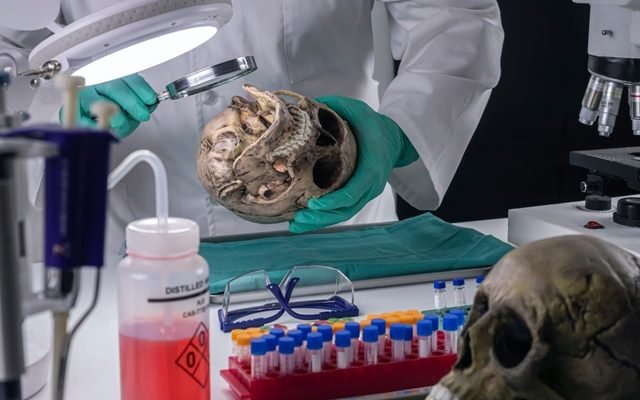
Forensic medicine is the branch of medicine that applies medical and scientific knowledge to legal matters. It involves examining injuries, illnesses, and deaths to determine facts that can be used in criminal investigations, civil cases, and court proceedings.
Who Works in Forensic Medicine?
Several healthcare professionals contribute to forensic medicine, including:
DNA and laboratory scientists
Forensic physicians
Forensic pathologists
Pharmacists
Toxicologists
Forensic nurses
Dentists (forensic odontology)
A forensic pharmacist applies pharmaceutical knowledge to legal and criminal investigations involving drugs, poisons, medications, and toxic substances. They work alongside forensic scientists, medical examiners, law enforcement agencies, and legal professionals to determine how drugs or chemicals may have contributed to injury, illness, or death.
Key Roles of a Pharmacist in Forensic Medicine:
1. Drug and Poison Analysis
Forensic pharmacists identify and analyze drugs, poisons, and toxic chemicals found in biological samples such as blood, urine, hair, or tissue. Their expertise helps determine whether a substance contributed to a person’s condition or death.
2. Toxicology Interpretation
They interpret toxicology reports to determine:
- Drug concentrations in the body
- Whether levels are therapeutic, toxic, or fatal
- Possible drug interactions
- Signs of overdose or poisoning
3. Investigation of Drug-Related Deaths:
Forensic pharmacists assist forensic pathologists by reviewing medication histories and identifying whether prescription drugs, illicit substances, or medication errors contributed to a death.
4. Detection of Medication Errors:
In cases involving medical negligence, forensic pharmacists evaluate the following:
- Incorrect prescriptions
- Dispensing mistakes
- Wrong dosages
- Drug administration errors
- Adverse drug reactions
Their findings can be used as evidence in legal proceedings.
5. Expert Witness Testimony:
A forensic pharmacist may serve as an expert witness in court. Their testimony helps judges and juries understand complex pharmaceutical issues.
6. Prescription Fraud Investigation:
They investigate cases involving:
- Forged prescriptions
- Prescription drug abuse
- Controlled substance diversion
- Illegal drug distribution
7. Collection and Preservation of Evidence
Forensic pharmacists ensure that drug-related evidence is:
- Properly collected
- Correctly labeled
- Securely stored
- Documented according to legal standards
Maintaining the chain of custody is essential for evidence to be admissible in court.
8. Review of Medical Records
they helps reconstruct events leading to an injury, poisoning, or death.
9. Drug Identification
Using laboratory techniques, forensic pharmacists identify the following:
Illicit drugs
Unknown tablets or capsules
Counterfeit medications
Skills Required for a Forensic Pharmacist:
A pharmacist working in forensic medicine should possess the following:
- Strong knowledge of pharmacology and toxicology
- Analytical and critical thinking skills
- Laboratory and analytical techniques
- Knowledge of legal and ethical standards
- Excellent communication and report-writing skills
Career Opportunities
Forensic pharmacists may work in:
- Forensic science laboratories
- Government health agencies
- Law enforcement organizations
- Poison control centers
- Hospitals, universities, and research institutions
- Pharmaceutical regulatory authorities
- Legal consulting firms
Frequently Asked Questions (FAQs)
1. What is forensic pharmacy?
Answer: Forensic pharmacy is a specialized branch of pharmacy that applies pharmaceutical knowledge to legal investigations. It involves analyzing drugs, poisons, medication errors, and toxic substances to support criminal and civil cases.
2. What are the roles of pharmacists in forensic medicine?
Answer: A pharmacist in forensic medicine analyzes drugs and toxic substances, interprets toxicology reports, investigates medication-related deaths, detects prescription fraud, and provides expert testimony in legal proceedings.
3. What is the difference between a forensic pharmacy and a forensic toxicology?
Answer: A forensic pharmacy focuses on medications, prescription practices, and pharmaceutical evidence, while forensic toxicology primarily analyzes biological samples to detect drugs, alcohol, and poisons. The two professions often work together during investigations.
4. Is forensic pharmacy a good career choice?
Answer: Yes. Forensic pharmacy offers a rewarding career for pharmacists interested in science, criminal investigations, and public safety. It provides opportunities to work with legal professionals while contributing to justice and healthcare.